Physical Address
304 North Cardinal St.
Dorchester Center, MA 02124
Physical Address
304 North Cardinal St.
Dorchester Center, MA 02124
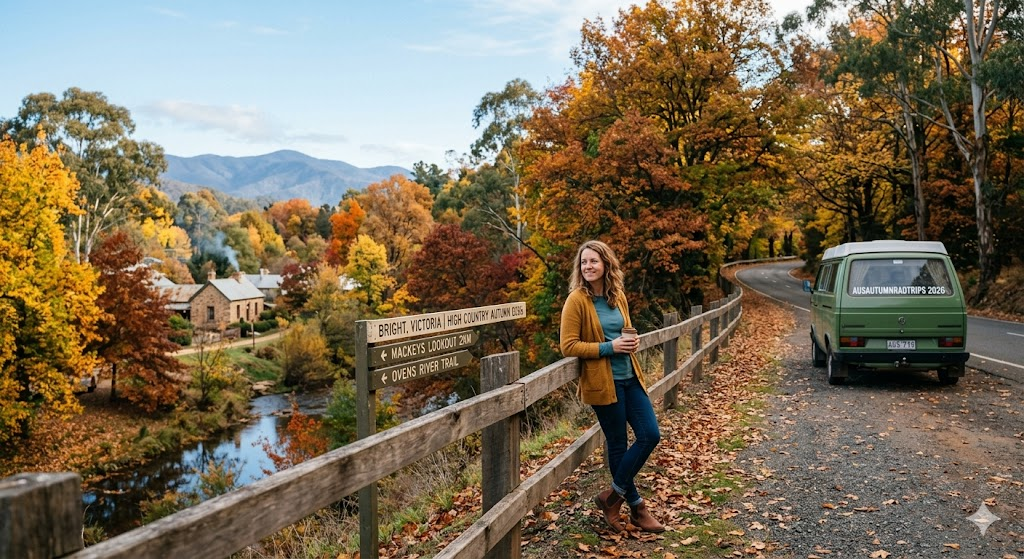
Many people think of Australia as a land of endless summer. While our beaches are world-class, there is something truly magical about autumn in Australia. As a local who has traveled from the dusty Red Centre to the misty forests of Tasmania, I can tell you that March, April, and May are the “sweet spot” months.
The harsh summer heat finally fades away. In its place, we get crisp mornings, mild afternoons, and some of the most stunning colors you will ever see. Whether you want to see the changing leaves in Victoria or catch the tail end of the swimming season in Queensland, this season offers a bit of everything. It is the perfect time for road trips because the crowds are smaller and the air is fresh.
In the Southern Hemisphere, our seasons are the opposite of the Northern Hemisphere. Autumn in Australia officially begins on March 1st and wraps up on May 31st.
During these three months, the landscape goes through a massive change. In early March, it might still feel like summer, especially in the northern states. However, by late April, the deciduous trees in the south turn vibrant shades of orange, gold, and deep red. This transition makes it a favorite time for photographers and hikers alike.
| Feature | Details |
| Months | March, April, May |
| Average Temp (South) | $11^{\circ}C$ to $20^{\circ}C$ |
| Top Event | Bright Autumn Festival |
| Nature Highlight | The “Turning of the Fagus” (Tasmania) |
| Best Activity | Wine tasting and hiking |
The weather during autumn in Australia varies a lot depending on where you are. Australia is a huge continent! In the south, places like Melbourne and Hobart start to feel a real chill, especially at night. You will need to pack layers—think light sweaters and a good windbreaker.
Up north in the Top End, autumn marks the end of the “wet season.” The rain slows down, the humidity drops, and the waterfalls are pumping. It is arguably the best time to visit places like Kakadu National Park because everything is lush and green, but the roads are finally opening back up. In the desert, the days become much more bearable for walking around Uluru.
If you want to see the classic “fall colors,” you must go to Bright. This tiny town in the Victorian Alps is the heart of autumn in Australia. The streets are lined with massive oak and maple trees that turn bright yellow and fiery red.
Every year, the town hosts the Bright Autumn Festival. It is a ten-day celebration of the season with markets, music, and open gardens. I remember walking through the Delany Avenue under a canopy of gold; it felt like stepping into a painting. It is the perfect spot for a family picnic or a slow bike ride along the Rail Trail.
Tasmania offers a unique natural show that you won’t find anywhere else. The fagus (Nothofagus gunnii) is Australia’s only native deciduous tree. It only grows in the Tasmanian highlands.
Around late April, these small trees turn from green to brilliant gold and rust red. The best place to see this is at Cradle Mountain. Walking around Dove Lake while the mountain peaks are dusted with early snow and the fagus is glowing is a bucket-list experience. It is a bit of a hike, so make sure you have sturdy boots and a warm jacket!
Just a short drive from Sydney, the Blue Mountains become a colorful wonderland during autumn in Australia. While the native eucalyptus trees stay green, the historic private gardens in towns like Mount Wilson and Leura are filled with imported trees that put on a spectacular show.
The air here is famously “blue” due to the oil from the gum trees, but in autumn, it’s the reds and oranges that steal the spotlight. It is much cooler up in the mountains than in the city, making it the perfect weather for a long bushwalk to a waterfall followed by a hot chocolate in a cozy café.
For food and wine lovers, autumn in Australia is the most exciting time of the year. This is harvest season! Regions like the Barossa Valley in South Australia or the Margaret River in Western Australia are buzzing with energy.
The grapevines change color, turning the rolling hills into a patchwork of gold and bronze. Many wineries hold “vintage” festivals where you can watch the grapes being picked and even join in on the fun. There is nothing better than sitting on a deck with a glass of local Shiraz, looking out over the autumn vines as the sun sets.
Summer in the Australian Outback can be dangerously hot, with temperatures often soaring above $40^{\circ}C$. That is why autumn in Australia is the prime time to visit the Red Centre.
By May, the daytime temperatures are a comfortable $20^{\circ}C$ to $25^{\circ}C$. This makes it safe and enjoyable to walk the 10-kilometer base trail around Uluru or explore the towering domes of Kata Tjuta. The nights can get very cold, though, sometimes dropping close to freezing, so don’t forget your woolly hat for those famous desert sunrises!
The cooler weather makes Australian animals much more active. During the heat of summer, kangaroos and koalas often sleep all day to stay cool. In autumn, you are more likely to see them out and about in the afternoons.
In places like Phillip Island, you can watch the Penguin Parade without shivering too much (unlike in winter!). In the north, as the floodwaters recede, it is the best time for bird watching in the wetlands. If you are lucky, you might even spot a platypus in the mountain streams of Victoria, as they love the cool, crisp water of the autumn season.
Because the weather changes so much, “layering” is your best friend. In the morning, you might need a jacket, but by noon, you could be in a t-shirt.
While autumn in Australia is generally very safe, there are a few things to keep in mind for 2026. The Bureau of Meteorology has noted that parts of the south may still face a late fire risk if the summer was particularly dry. Always check the local fire ratings before heading into the bush.
Also, be mindful of the shorter days. The sun sets much earlier than in summer, so plan your hikes to ensure you are back before dark. If you are driving in rural areas, be extra careful at dawn and dusk, as this is when kangaroos are most likely to hop across the road.
1. What are the best months to see autumn leaves in Australia? The best time is usually from mid-April to early May. This is when the colors are at their peak in places like Bright and the Blue Mountains.
2. Does it snow in Australia during autumn? It is rare, but not impossible! Late May can see the first dustings of snow on the highest peaks of the Snowy Mountains or the Tasmanian highlands.
3. Is it still warm enough to swim in autumn? In Queensland and northern Western Australia, yes! The water is still lovely. In Sydney or Perth, it might be a bit chilly for some, while in Melbourne, you’ll definitely want a wetsuit.
4. Are there many public holidays in autumn? Yes, we have Easter and Anzac Day (April 25th). These are very popular times for locals to travel, so be sure to book your accommodation early.
5. What should I eat during autumn in Australia? Look for seasonal produce like apples, pears, chestnuts, and walnuts. It is also the start of truffle season in some regions!
6. Can I see the Northern Lights (Aurora Australis)? Autumn and winter are great times to try and spot the Aurora Australis in Tasmania. The clearer, darker nights make it much easier to see the dancing lights.
There is no doubt that autumn in Australia is a special time of year. Whether you are chasing the golden foliage of the south or the sun-drenched adventures of the north, the continent really puts on a show. The air is fresher, the colors are brighter, and the vibes are just more relaxed.
So, what are you waiting for? Grab your camera, pack a sweater, and get ready to see a side of the Land Down Under that most tourists miss. You won’t regret it!
