Physical Address
304 North Cardinal St.
Dorchester Center, MA 02124
Physical Address
304 North Cardinal St.
Dorchester Center, MA 02124
When we talk about pioneers who broke barriers and shaped the modern landscape of psychology, Dr. Martha Bernal deserves a spotlight of her own. Her name might not always be the first mentioned in psychology textbooks, but her influence is undeniable. As the first Latina to earn a Ph.D. in psychology in the United States, she didn’t just make history — she changed the future for generations of psychologists who came after her.
Dr. Martha Bernal journey wasn’t only about achieving personal success. It was about representation, advocacy, and redefining what inclusion means in the field of mental health. Her story reflects perseverance, intelligence, and a relentless commitment to ensuring that cultural diversity has a seat at the table in psychological research and practice.
Martha Bernal was born on April 13, 1931, in El Paso, Texas, to Mexican immigrant parents. Growing up in a time when opportunities for Hispanic women were limited, she faced both cultural and systemic barriers that could have easily discouraged her. However, even as a child, Bernal’s curiosity about human behavior and her drive to learn stood out.
Despite societal pressures that often pushed women — especially Latina women — toward domestic roles, Bernal’s parents valued education deeply. They encouraged her to pursue schooling even when discrimination made that path harder. She attended Texas Western College (now the University of Texas at El Paso), where she earned her bachelor’s degree in 1952. But her ambitions didn’t stop there.
Bernal’s next academic step took her to Syracuse University, where she completed her master’s degree in psychology. Still, the world of academia wasn’t always welcoming. She encountered prejudice from professors and peers who underestimated her abilities because of her gender and ethnicity. But rather than backing down, she used these challenges as fuel to push forward, earning her Ph.D. in clinical psychology from Indiana University in 1962 — a historic milestone that made her the first Latina in the United States to do so.
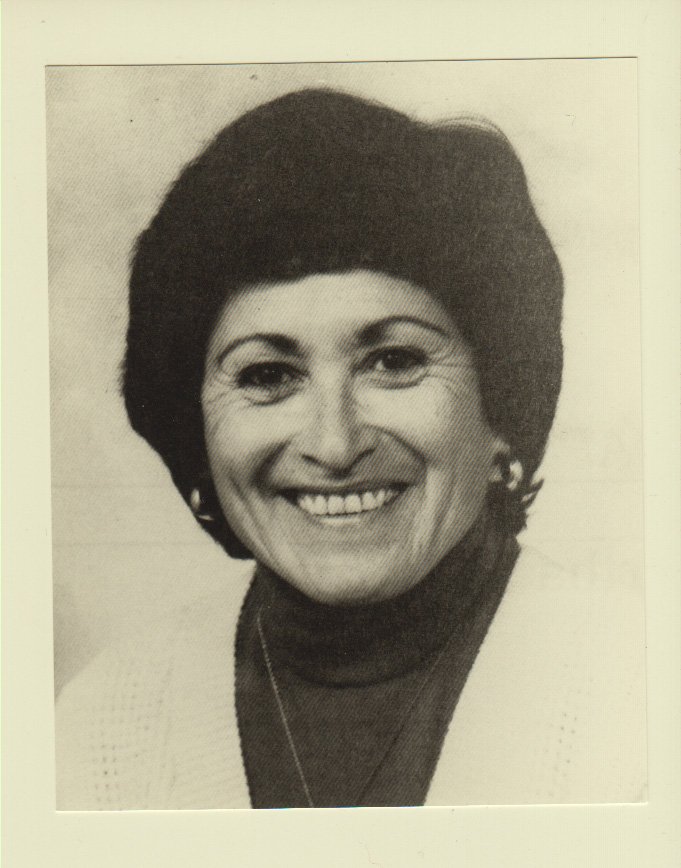
Getting her degree was just the beginning. Once Dr. Martha Bernal entered the professional world, she quickly realized that the challenges of being a Latina in psychology extended beyond education. Many institutions were hesitant to hire her, and she faced constant doubts about her qualifications. Yet, she persisted — and her perseverance paved the way for meaningful change.
Dr. Bernal’s early research focused on child development and behavior therapy, fields that were still evolving at the time. She was particularly interested in how children learn behaviors and how parents and cultural environments influence that process. Her work helped shape modern approaches to behavioral therapy, emphasizing consistency, reinforcement, and structured learning.
But perhaps her most groundbreaking contribution came later, when she began focusing on multicultural psychology — a field that didn’t even formally exist when she started. Dr. Martha Bernal noticed that most psychological theories and research were based on white, middle-class participants. This lack of diversity meant that minority communities were often misunderstood or misrepresented in mental health studies and clinical practice. So, she set out to change that.
Dr. Martha Bernal influence in multicultural psychology cannot be overstated. She dedicated much of her later career to advocating for the inclusion of cultural and ethnic factors in psychological research and clinical training. Her work highlighted how cultural identity shapes emotional development, mental health, and behavior.
In the 1970s and 1980s, Bernal co-founded initiatives to promote ethnic minority representation in psychology. She was instrumental in developing programs within the American Psychological Association (APA) that aimed to increase the recruitment and support of minority students in graduate psychology programs. Through her leadership, she helped establish the National Hispanic Psychological Association, which provided a much-needed platform for Hispanic psychologists to collaborate, share research, and support one another.
What made Bernal truly stand out was her insistence that cultural awareness wasn’t optional — it was essential. She argued that therapists and researchers must understand a client’s cultural background to provide ethical and effective care. This principle, now widely accepted, was revolutionary in her time.
Thanks to her efforts, multicultural competency became a recognized standard in psychology. Many of today’s diversity and inclusion practices within the APA and university psychology departments can be traced back to Dr. Martha Bernal foundational work.
Even with her growing list of accomplishments, Dr. Martha Bernal journey was far from easy. She faced racism, sexism, and professional isolation throughout her career. Despite being one of the most qualified individuals in her field, she was often denied opportunities that were readily given to her white male counterparts.
But Bernal never let those barriers define her worth. She continued to publish influential papers, mentor young psychologists of color, and push for institutional change. Her courage to speak up about discrimination in academia inspired countless others to follow her example.
Dr. Martha Bernal was also open about the personal struggles that came with being a trailblazer. She understood the emotional toll of constantly fighting for recognition and fairness in a system not designed to include people like her. Yet, through her vulnerability and honesty, she connected deeply with those who faced similar challenges, leaving behind a legacy of empathy as well as intellect.
When she passed away in 2001, she left more than just academic achievements — she left an enduring movement. Her work had laid the foundation for cultural psychology, shaped diversity standards in mental health, and opened doors for thousands of Hispanic and minority psychologists across the U.S.
Over the years, Dr. Martha Bernal. Martha Bernal’s contributions have been recognized through numerous posthumous honors and tributes. The American Psychological Association has acknowledged her as one of the most influential figures in its history. In 2001, shortly before her passing, she received the APA’s Award for Distinguished Senior Career Contributions to Psychology in the Public Interest, celebrating her lifetime commitment to promoting equality and inclusion in the field.
Today, her influence continues through the Martha Bernal Awards and scholarships established in her name. These awards recognize psychologists who embody her mission: promoting diversity, advancing multicultural research, and mentoring underrepresented students. Her work is also frequently cited in academic literature discussing the development of multicultural competencies in psychology — proving that her ideas remain central to the discipline decades later.
For young psychologists, especially those from underrepresented backgrounds, Bernal serves as a symbol of resilience and hope. Her journey reminds us that true progress in science and society doesn’t come from comfort but from courage.
In an era when conversations about diversity and inclusion are more visible than ever, Dr. Martha Bernal . Martha Bernal’s story feels both historic and urgently relevant. The mental health field continues to grapple with issues of accessibility and cultural competence — challenges she began addressing more than half a century ago.
Her insistence that psychologists must understand and respect cultural differences is now foundational to ethical practice. From therapy sessions to academic research, her vision has reshaped how psychology views identity, culture, and community.
Moreover, her example teaches a powerful lesson about persistence. Bernal didn’t wait for permission to make change — she created it. In doing so, she gave future generations the confidence to challenge norms, advocate for representation, and demand that the field of psychology reflect the diversity of the world it serves.
Dr. Martha Bernal wasn’t just a psychologist — she was a pioneer, an advocate, and a voice for those who had long been ignored. Her work bridged the gap between psychology and culture, bringing a human-centered understanding to a science that once overlooked entire communities.
Dr. Martha Bernal Her legacy lives on in every culturally competent therapist, every psychology program committed to diversity, and every young scholar who believes that representation matters. Through her courage and brilliance, she showed that inclusion isn’t a side note in psychology — it’s the heart of it.
As we look to the future of mental health and psychology, remembering Dr. Martha Bernal contributions reminds us that real progress comes from those willing to challenge the status quo and make space for everyone at the table.
